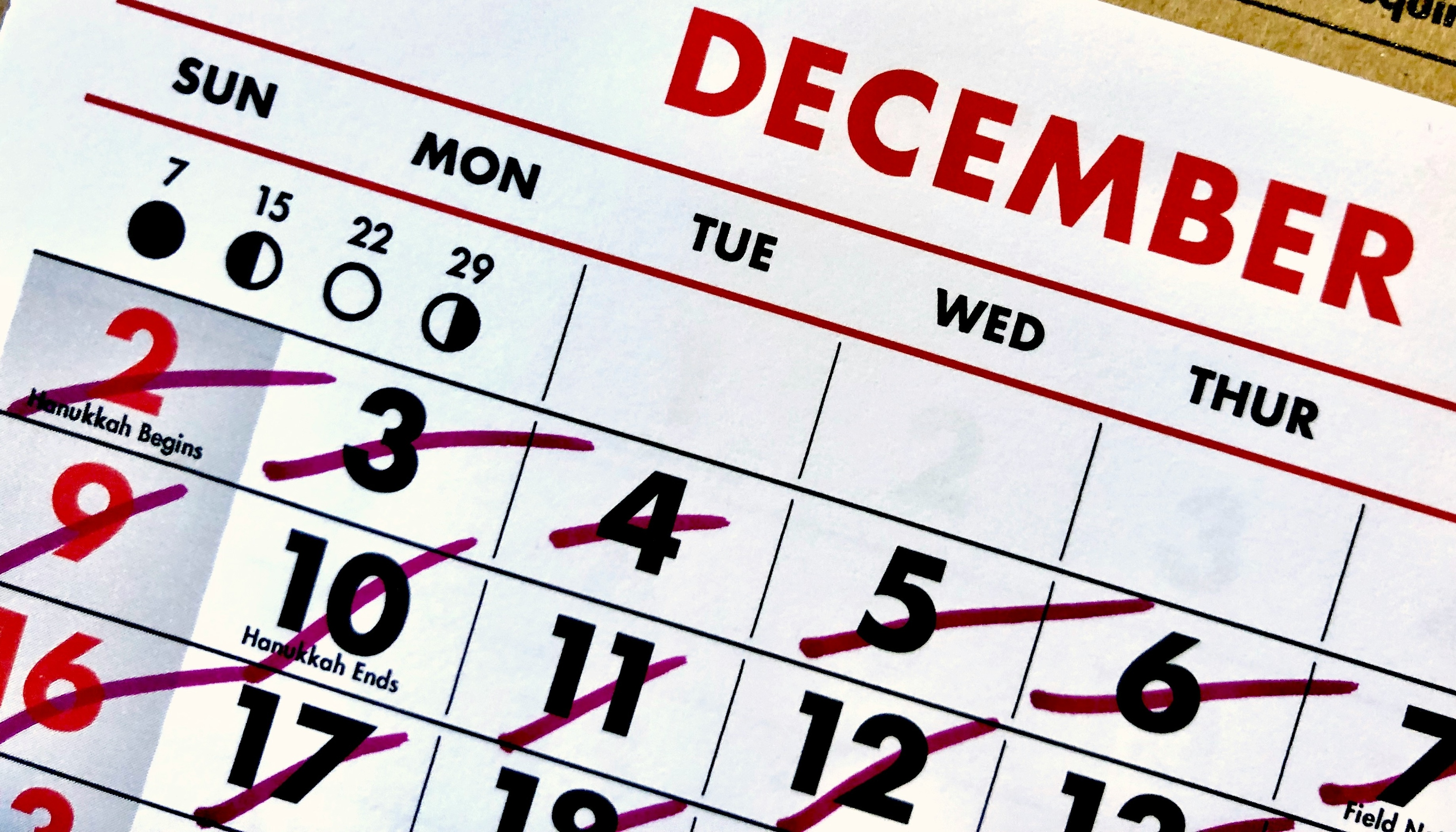
I have a 685-day Duolingo streak (I know, I know, what a lame brag, but I’m weirdly proud of it). In 2024, I started learning French before going to Paris so I could navigate the city with my kids in tow and did the same thing that year with Italian before we toured Italy.
I didn’t set out to learn Italian so that I could hit a milestone on Duolingo, I just love learning languages. But in this case, I opened the app one day, did a lesson, and then did another one the next day. And the next. And somewhere in the quiet accumulation of those daily fifteen-minute sessions, something remarkable happened: I went through Duolingo’s entire Italian program. Now, when my husband and I watch a movie set in Italy, I can follow it (mostly!) without subtitles. I understand some of the jokes and feel like it’ll be easier to get around when we visit Milan this summer.
I didn’t notice it happening. My daily Duolingo habit (addiction?) was so gradual that I almost missed it. Until one day it became obvious that the time I spend on the app is paying off.
I’m now most of the way through the Brazilian Portuguese program, because we’re planning to move to Portugal and I figured I should start somewhere. Same process. Same quiet accumulation. Fifteen minutes every day that don’t feel like much in the moment but are building something real. A friend of mine just sent me an article in Portuguese and I read the whole thing. There were plenty of words and phrases I didn’t understand, but the overall article made sense and it blew me away that I was able to understand it.
And I’ve realized now, all of the things I’ve found most worth doing, I’ve accomplished all of them by showing up every, single day.
Automatic Savings Built a Life I Love
Years ago, I set up automatic contributions to my retirement accounts and index funds. I paid myself first, before I had a chance to find something else to spend that money on, and then I mostly forgot about it. I didn’t obsessively track my net worth. Nor did I celebrate every contribution. I just let the system run.
And then, at 41, I retired.
It didn’t feel like I had done anything particularly heroic along the way. That’s the point. Automatic savings work precisely because they remove the daily decision from the equation. You don’t have to be disciplined every day. You just have to set it up once and let time and compounding work for you. The daily action was invisible, but the result was anything but.
Writing Every Day Finished My Book
My first book, Agile Discovery & Delivery, exists because I wrote every day. Not a lot, some days it was just 10 minutes. That’s how much I told myself I needed to write every day and every day, I showed up, I put words on the page, and eventually there was a book. (The first draft only took four months!)
I’m at the editing stage for my second book now. Same process. Same daily practice of sitting down and doing the work, even when I don’t feel inspired, even when it’s slow, and even when I’d rather be doing something else. The words accumulate. The chapters fill in. The book becomes better and better.
There is nothing magical about this. You don’t need to write 5,000 words a day or have a perfect writing routine. You need to show up. That’s it.
The Gym Misses Me When I Don’t Come
A while back, I signed up for a gym, Basecamp Fitness, with friends. I knew I needed to lift more weights, but found when I lifted on my own, I’d get bored, doing the same couple of things every time. Now, we go Monday, Wednesday, and Friday. That’s it. No complicated programming, it’s not even every day. I just show up, there’s a new workout, and we get it done, together.
I didn’t expect much to change. The workouts burned fewer calories than my runs or swims. But, I was very wrong about that. Since I started, I’ve built real muscle. I’ve lost 19 pounds. And I’ve noticed something interesting: the habit didn’t feel hard once the decision was made. When Monday arrives, I don’t ask myself whether I feel like going. I just go. The decision was made a long time ago.
My health coach has been a big part of the weight loss too, probably the most important part because I used to eat like a competitive swimmer even though I’d stopped that long ago. I found my coach through My Body Tutor. Every day, I log what I eat, when I eat it, and what my exercise looked like. I get feedback. We make goals to tweak simple things. It’s a small daily practice (capturing data, staying accountable) but the results have been genuinely surprising. Not just the weight, and not just the muscle. My relationship with food is different now. I used to eat whatever was on my plate, even when I was full, because it was there. Now I stop when I’m done, even if I’m distracted in a restaurant with friends. That’s not a small thing. That’s a fundamental shift in how I relate to my own body, and it happened through a daily practice of paying attention.
What Daily Habits Actually Do
Here’s what I’ve noticed across all of these examples. The daily action is almost never the impressive part. Fifteen minutes of Duolingo is not impressive. Logging your meals is not impressive. Putting $200 into an index fund is not impressive. Writing one paragraph is not impressive.
But what IS impressive is doing those unremarkable things so consistently that they stop feeling like decisions. That’s when the magic happens. Not when you have a breakthrough day, but when the habit becomes so automatic that your brain stops arguing about it.
James Clear calls this the aggregation of marginal gains in Atomic Habits, or, the idea that tiny improvements, compounded over time, produce results that seem wildly disproportionate to the individual effort. He’s right. My 685-day Duolingo streak is not 685 impressive days. It’s 685 ordinary days that added up to better language skills.
The other thing I’ve noticed is that I don’t usually see the progress in real time. I don’t wake up on day 200 feeling noticeably more fluent than I did on day 150. I don’t look in the mirror after a Wednesday gym session and see the difference from Monday. The feedback loop is too slow for that. What I get instead is a moment, usually when I hit some kind of milestone or someone else notices a change, where I suddenly see how far I’ve come. And it’s always further than I expected.
That surprise, I’ve come to realize, is the gift of daily habits. You’re building something without having to watch it being built. You just show up, day after day, and trust the process.
Start With One Thing
If you don’t have a daily habit that’s quietly building something you care about, I’d encourage you to start with one. Just one. Something small enough that you can’t talk yourself out of it on a bad day. Ten minutes of language learning. A short walk. Logging one meal. Writing one paragraph.
Don’t measure it daily. Don’t demand results. Just show up.
And then, one day, when you hit a streak you didn’t realize you were building, or step on a scale that surprises you, or finish a book, or retire early, you’ll understand what I mean and be grateful that you just got started.